Smoke Over Sumatra and Kalimantan: A Reminder of What We Owe to Peatlands
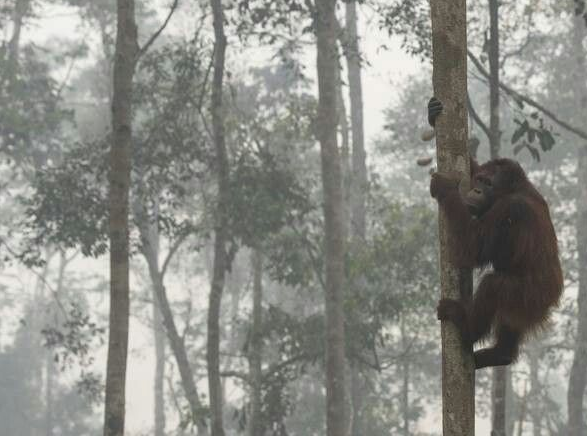
Over the past days, the fires have returned to Sumatra and Kalimantan. According to Indonesia’s Ministry of Forestry, satellite-detected hotspots across the country rose sharply in early October, with Central Kalimantan and South Sumatra among the hardest-hit provinces. In some areas, the air has become unhealthy to breathe.
Behind those numbers are real people: families keeping children indoors, workers who cannot work, elderly neighbours struggling to breathe, and the firefighters, volunteers and aircraft crews working through exhausting days to bring the fires under control. We want to say first and plainly: our thoughts are with all of you, and we are grateful to everyone who is protecting their communities.
Why these fires are so hard to stop?
Much of the fire burns on peatland. Peat is formed over thousands of years and holds an enormous amount of carbon. When peatland is drained, it dries out and ignites easily, and the fire can keep smouldering underground long after the flames above have gone. That is why peat fires are so difficult to extinguish, and why the smoke can linger and travel far.
The lesson is a hard one but a clear one: peatlands need protecting.
Peat is not only a feature of Indonesian landscapes. In Europe and North America, peat moss has long been a main ingredient in growing media for horticulture. That peat is largely harvested from peatlands in and near those regions, not from Indonesia, but the concern is the same everywhere: removing peat at scale damages landscapes that took thousands of years to form and releases the carbon stored in them.
Many growers and growing media producers are now looking for peat-free alternatives, and several European countries have set targets or policies to reduce peat use.
Where coconut husk fits, and where it does not
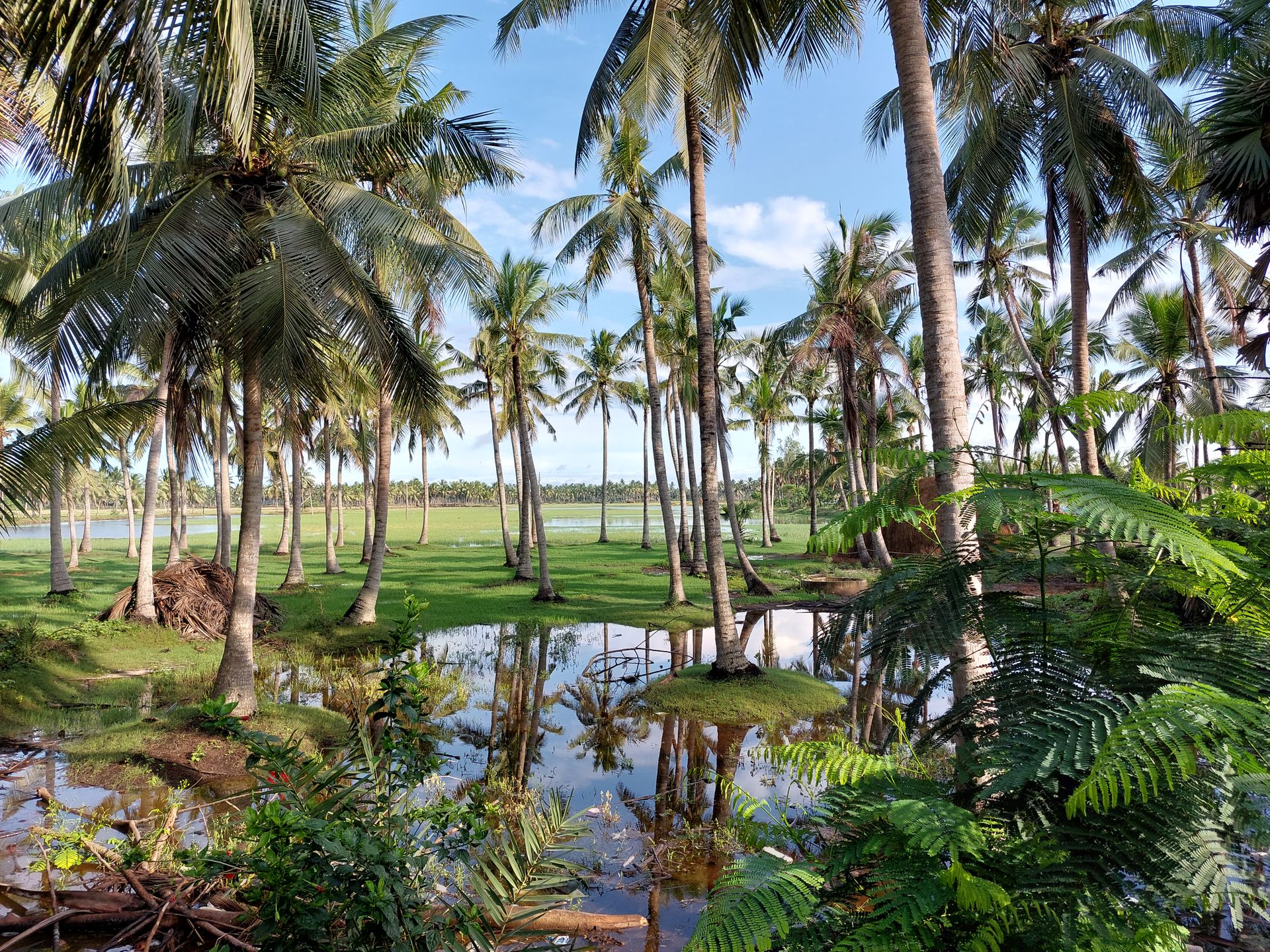
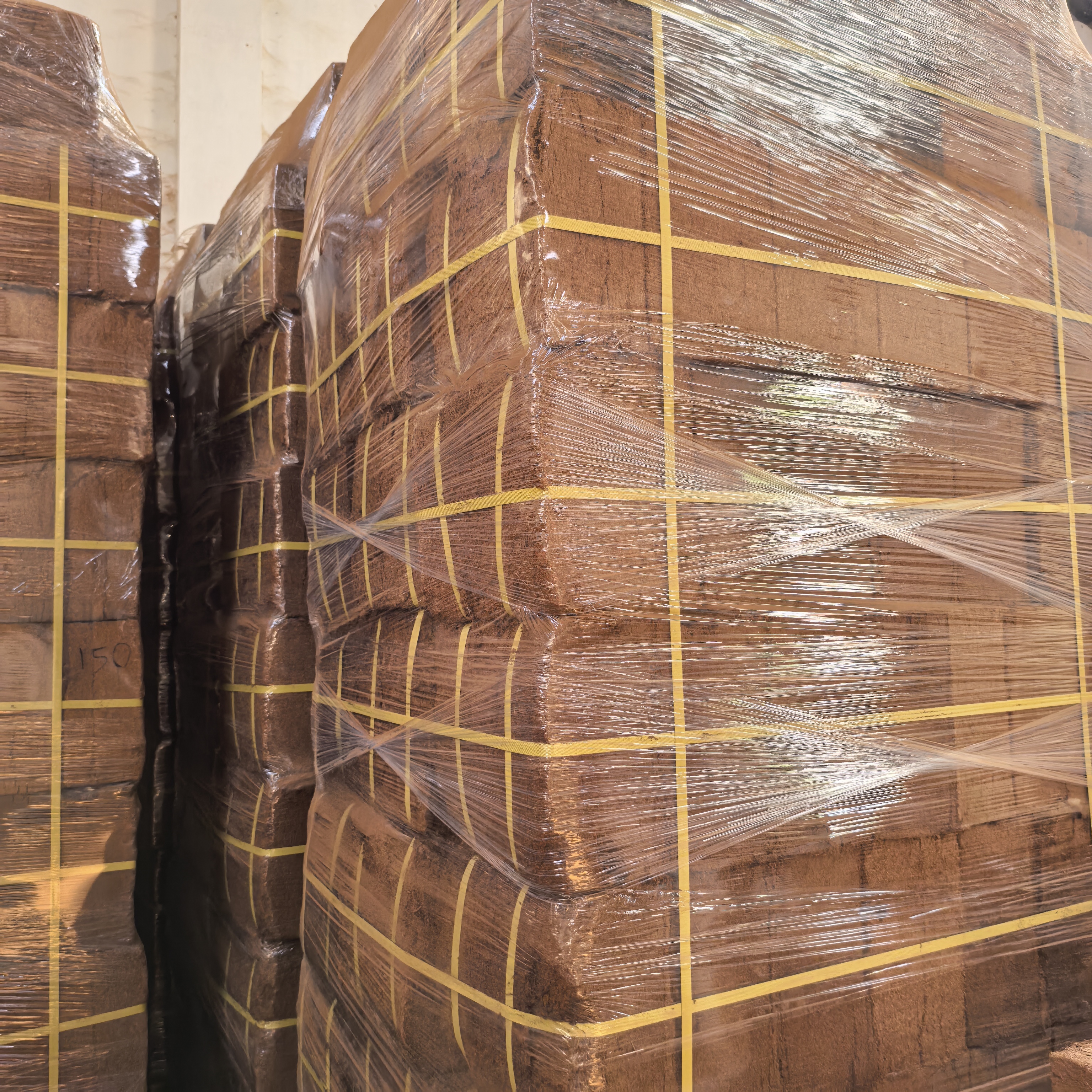
At Binaya Indie Global, we make cocopeat, cocochips and other coconut derivatives in Central Java, from husk left over after the coconut harvest. We do not believe coir is a simple answer to a complex problem, and we do not want to turn a time of hardship into a sales message.
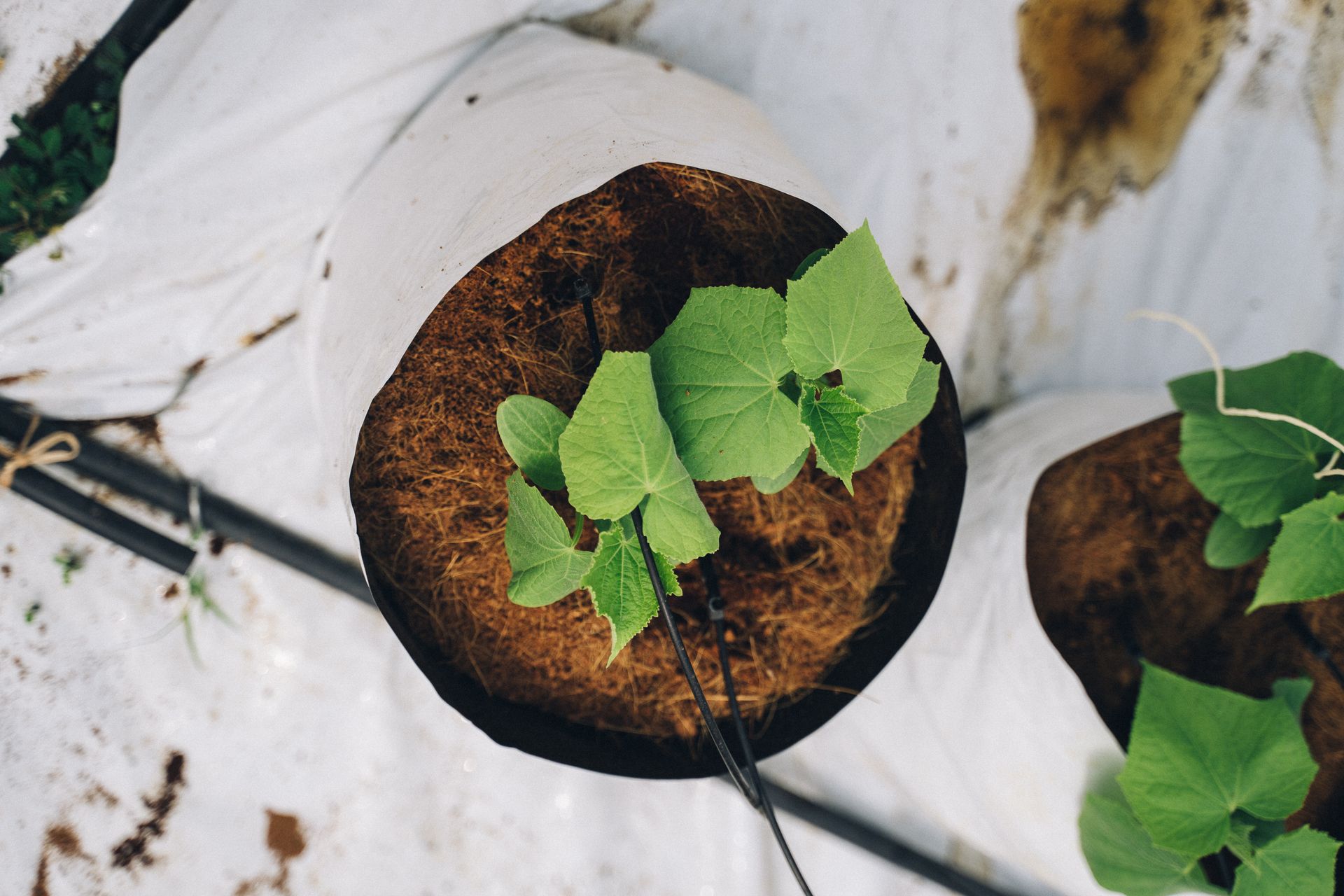
What we can say is this. Coconut husk is renewable: it is generated continuously from an annual harvest, and using it does not require draining or clearing land. For growers who want to reduce their use of peat, coir is one practical option, and it also gives an agricultural by-product a second use that can bring value to coconut-producing communities.
We also know that where a material comes from matters. Some coconut is grown on peat soils, so we believe buyers are right to ask about origin, and that suppliers should answer honestly and keep clear records.
What we take from this moment
The smoke is a reminder that the way we grow and the materials we choose are connected to places and people far from where they are used. We hope the fires are brought under control soon, that those affected receive the support they need, and that peatlands are given the protection they deserve.
To everyone breathing this smoke today, stay safe.