A. Introduction
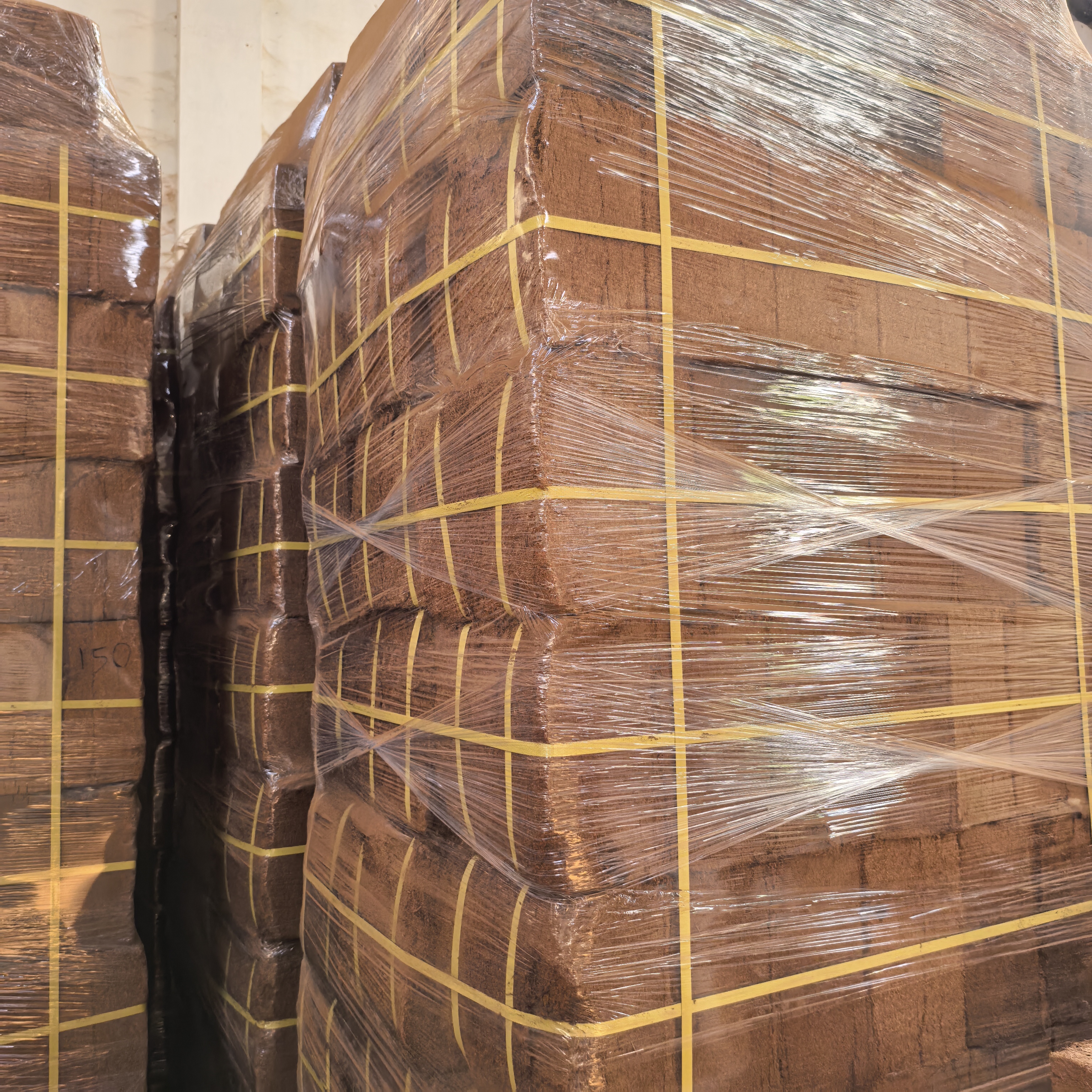
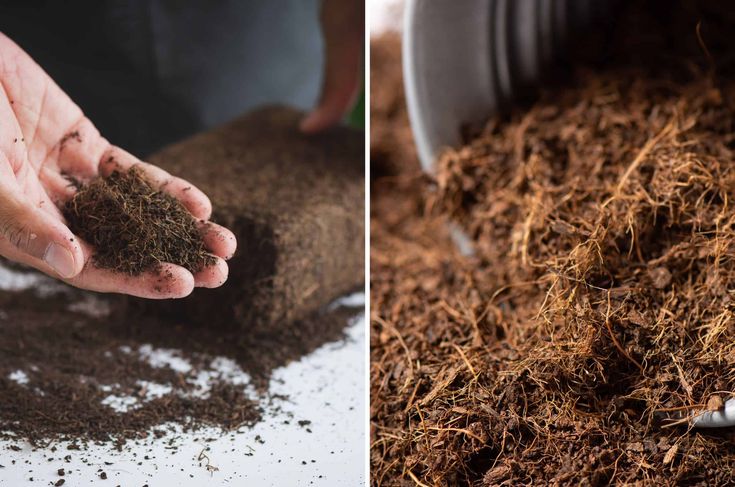
Agro-industrial waste management based on circular economy principles has become a global focus in realizing eco-friendly agricultural development. One biomass waste that holds massive potential yet remains underutilized is the coconut husk (cocohusk). In various tropical countries, including Indonesia, coconut husk waste is frequently left to accumulate without further processing. Through a mechanical process, the fine powder portion of the coconut husk can be extracted into cocopeat, an alternative organic material that is now touted as capable of replacing the dominance of peat moss to curb the rate of global environmental degradation.
This scientific article aims to summarize empirical data as well as laboratory and field experimental results regarding physical characteristics, water retention capacity, and the influence of cocopeat usage on the vegetative growth of various plant commodities.
B. Review Methodology and Physical Characteristics Data
The approach used in compiling this article is a systematic literature review of various international and national scientific publications examining the physical and agronomic parameters of cocopeat. Based on empirical data from soil mechanics and horticulture engineering laboratories, cocopeat possesses unique physical characteristics as a container growing medium or a substitute for conventional soil.
Physical and Hydraulic Properties Parameters of Cocopeat Growing Media
| Physical / Hydraulic Parameter | Measurement Value Range | Literature Reference / Validation |
| Water Holding Capacity | 700% to 912.54% of dry weight | HortTechnology; UPM Soil & Water Eng. Lab |
| Total Air Porosity and Pore Space | 79% to 85% | Growing Media Characteristics Analysis |
| Water Retention After Heat Exposure (6 Hours) | Absorbs and retains up to 200–400 grams of water | Poltekkes Aceh Research Data |
| Saturated Hydraulic Conductivity | 0.1 cm/s (low to controlled) | Research on Hydraulic Characteristics |
Based on the data in the physical and hydraulic properties parameters of cocopeat growing media table, the water retention capacity of cocopeat is extremely high, enabling this medium to act as a natural water reservoir within the plant root zone.
C. Experimental Results and Detailed Discussion on Cocopeat Utilization
Absorption and Water Retention Capacity Test
In a comparative experiment between pure soil media and cocopeat, the direct water load absorption capacity was tested. The test results indicated that a single unit mass of dry cocopeat is capable of absorbing up to 400 grams of water, or equivalent to a massive multiplication of weight.
When tested under direct sunlight for six hours, the pure cocopeat-based growing medium was able to maintain a water retention of up to 200 grams of water within its structure, whereas the conventional soil medium experienced total evaporation and returned to an absolute dry condition. This phenomenon proves that cocopeat is highly effective in reducing watering frequency and suppressing the rate of evaporation in arid regions or during the dry season.
Real Experimental Evidence: Why Cocopeat is Truly Extraordinary for Vegetable Crops (Brassica juncea and Amaranthus sp.)
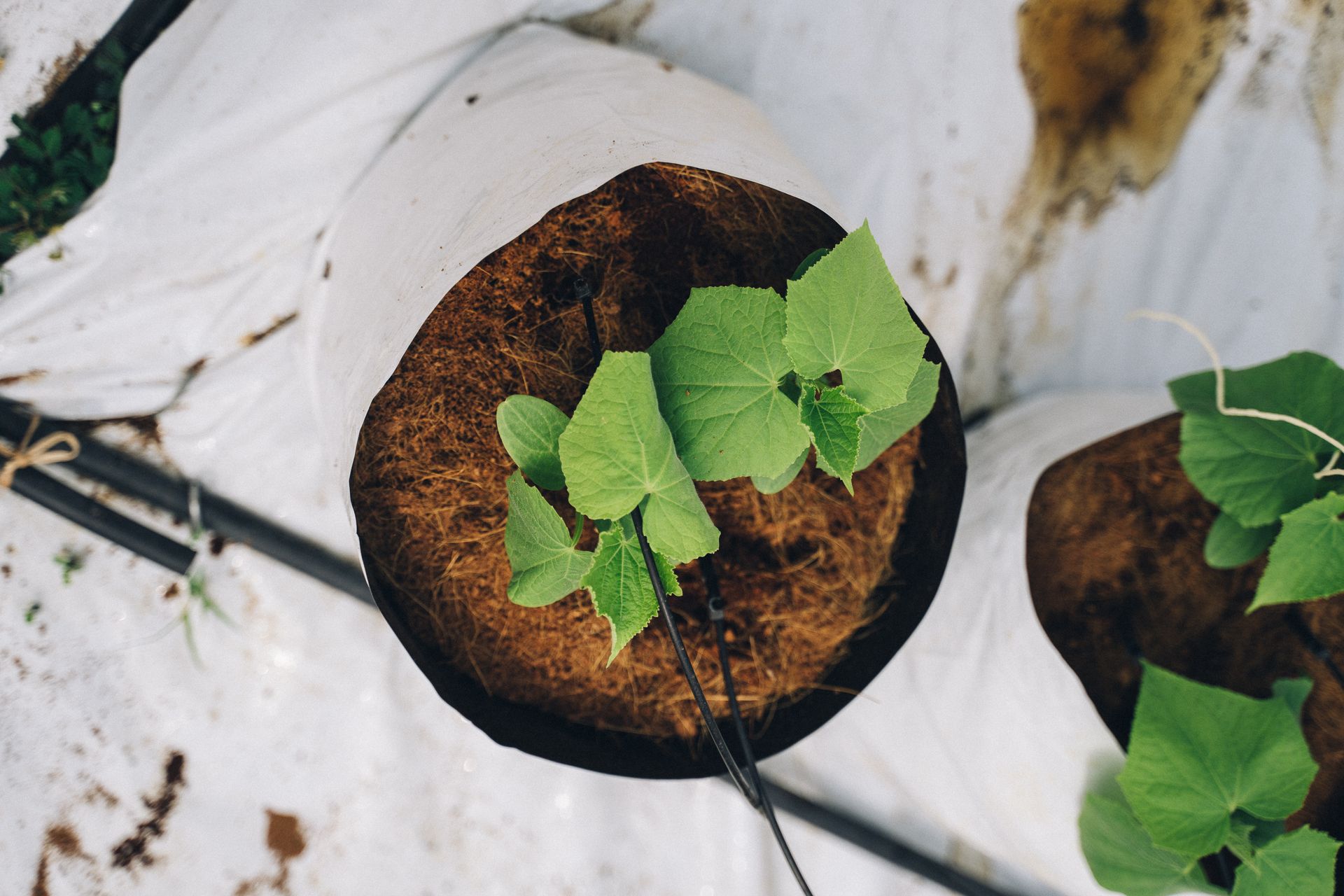
Another experiment using a Completely Randomized Design (CRD) evaluated the growth of green mustard (Brassica juncea) and spinach (Amaranthus sp.) with various media compositions:
- P1: Mixture of cocopeat and soil (50:50)
- P2: Mixture of cocopeat and soil (80:20)
- P3: 100% Cocopeat
Observation results showed that treatment P3 (100% cocopeat) provided the most statistically optimal vegetative growth results. In green mustard plants, plant height reached an average of 28.3 cm with a total leaf count reaching 8 blades. Meanwhile, in spinach plants, the use of 100% cocopeat stimulated height growth up to the maximum range with a leaf count reaching 17 blades. The crumb structure and well-maintained moisture in cocopeat facilitate the unrestricted penetration of root hairs without mechanical barriers such as those frequently found in compacted clay soil media.
Ecological Implications and Sustainable Agriculture
From an environmental perspective (eco-friendly), the use of cocopeat directly supports wetland ecosystem conservation policies. The exploitation of peat moss in Western countries for horticultural purposes has been criticized because it triggers massive carbon dioxide ($CO_2$) emission releases into the atmosphere. Total substitution using cocopeat not only offers aeration and water retention performance that is equal or even superior, but also successfully converts solid agricultural waste into products with high ecological value.
D. Conclusion
Cocopeat has been scientifically proven to possess extraordinary water retention capacity (reaching 700%–912%) alongside total porosity that optimally supports plant root systems. Experimental results show that the use of cocopeat-based growing media (both pure and mixed) is capable of significantly improving vegetative growth parameters such as plant height and leaf count in horticultural commodities. This innovation presents a dual solution: boosting the productivity of the modern agricultural sector while preserving environmental sustainability through sustainable circular economy practices.
References
Abad, M., Noguera, P., & Bures, S. (2001). National inventory of organic wastes for use as growing media for ornamental potted plant production: Case study in Spain. Bioresour. Technol., 77(2), 197-200.
Pinasthika, W., et al. (2020). Utilization of Coconut Coir Waste as an Organic Planting Medium. Jurnal Kesehatan Nasuwakes, Poltekkes Kemenkes Aceh.
Khan, M. Z., et al. (2019). Effect of Coconut Peat on the Growth and Yield Response of Ipomoea aquatica. American Journal of Plant Sciences, 10, 372-380.
Anjarsari, et al. (2024). Additional cocopeat and coconut water improves the seedling growth of robusta coffee. Jurnal Kultivasi, Universitas Padjadjaran, 23(1), 108-116.