For decades, peat moss has been one of the most widely used materials in horticultural growing media. Its ability to retain moisture, provide a relatively stable root environment, and support plant growth has made it popular among greenhouse growers, nurseries, and gardeners. But as the horticulture industry looks for more sustainable and renewable materials, another growing medium has gained increasing attention: COCOPEAT.
Cocopeat, also known as coir pith or coir dust, is produced from coconut husk, turning a coconut-processing by-product into a useful growing medium. Its combination of water retention, aeration, and availability makes cocopeat an attractive option for modern horticulture.
What Makes Cocopeat Different?
The biggest difference starts with where the materials come from. Peat moss comes from peatlands, where partially decomposed plant material accumulates over very long periods. Cocopeat, on the other hand, comes from the husk of coconuts, an agricultural by-product that can be processed into a usable growing medium.
This difference has become increasingly relevant as growers and horticultural businesses consider not only how well a growing medium performs, but also where it comes from and how sustainably it can be sourced.
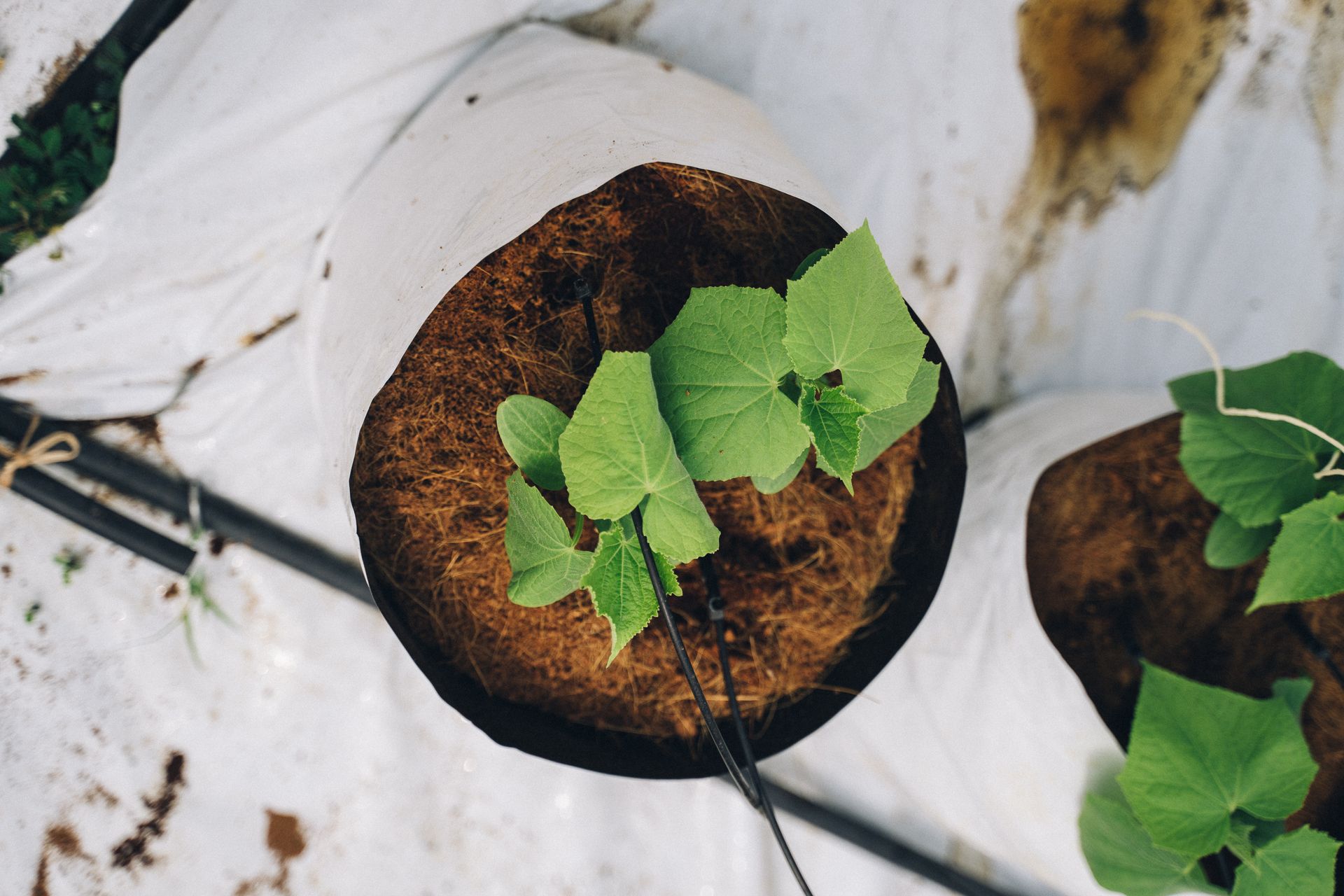
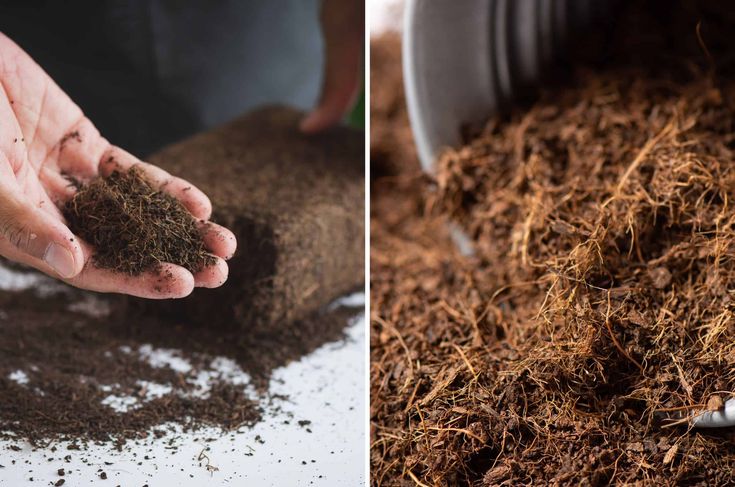
Cocopeat also has useful physical characteristics. Its porous structure allows it to hold moisture while maintaining air spaces around plant roots. These properties make it suitable for applications ranging from greenhouse cultivation and nurseries to hydroponics and general horticulture.
Is Cocopeat Better Than Peat Moss?
There is no single answer for every crop or growing system.
Both materials can provide good water retention and aeration, but their performance depends on their quality, processing, particle size, and how they are used. For cocopeat, one of the most important factors is electrical conductivity (EC).
Coconut husk can naturally contain soluble salts. Therefore, the washing process plays an important role in determining the final EC of cocopeat. Properly processed cocopeat can be supplied in different EC levels according to the intended application.
Low EC or High EC Cocopeat?
This is where buyers need to look beyond the word “cocopeat.”
Low EC cocopeat is washed more extensively to reduce soluble salts. It is commonly preferred for applications where growers want greater control over the root-zone environment, such as commercial greenhouse and nursery production.
High EC cocopeat retains a higher level of soluble salts and may be suitable for applications where irrigation and nutrient management are designed around the specific characteristics of the growing medium.
Therefore, high EC does not automatically mean low quality. The right EC depends on the crop, growing system, irrigation method, and nutrient-management strategy.
What Should Buyers Look for in Cocopeat?
A good cocopeat product should be evaluated based on its technical specifications, not simply its appearance.
Key parameters include:
- EC – indicates soluble salt levels
- pH – affects nutrient availability
- Moisture – important for storage and transportation
- Particle size – influences water retention and aeration
- Expansion volume – indicates the volume obtained after hydration
- Impurities – helps determine product cleanliness
- Processing and washing – directly affect the final characteristics
For example, a buyer looking for cocopeat for commercial greenhouse production may require a different specification from a buyer using cocopeat for general gardening.
Cocopeat as a Growing Medium for Modern Horticulture
The growing interest in cocopeat is not simply about replacing one material with another. It reflects a broader movement toward making better use of agricultural resources and finding growing-media options that combine performance with responsible sourcing.
Coconut husk was once viewed largely as a by-product of the coconut industry. Today, it can be processed into cocopeat and other coconut-based products, creating additional value from the same raw material.
This makes cocopeat particularly interesting for countries such as Indonesia, where coconut resources are abundant and coconut processing is an established agricultural activity.
Cocopeat from Indonesia
Indonesia's extensive coconut resources provide a strong foundation for the production of coconut-based materials. According to Statistics Indonesia (BPS), Indonesia had approximately 3.32 million hectares of coconut plantation area in 2023, demonstrating the scale of the country's coconut resource base.
For international buyers, this creates opportunities to source cocopeat and other coconut-based products directly from an established coconut-producing country.
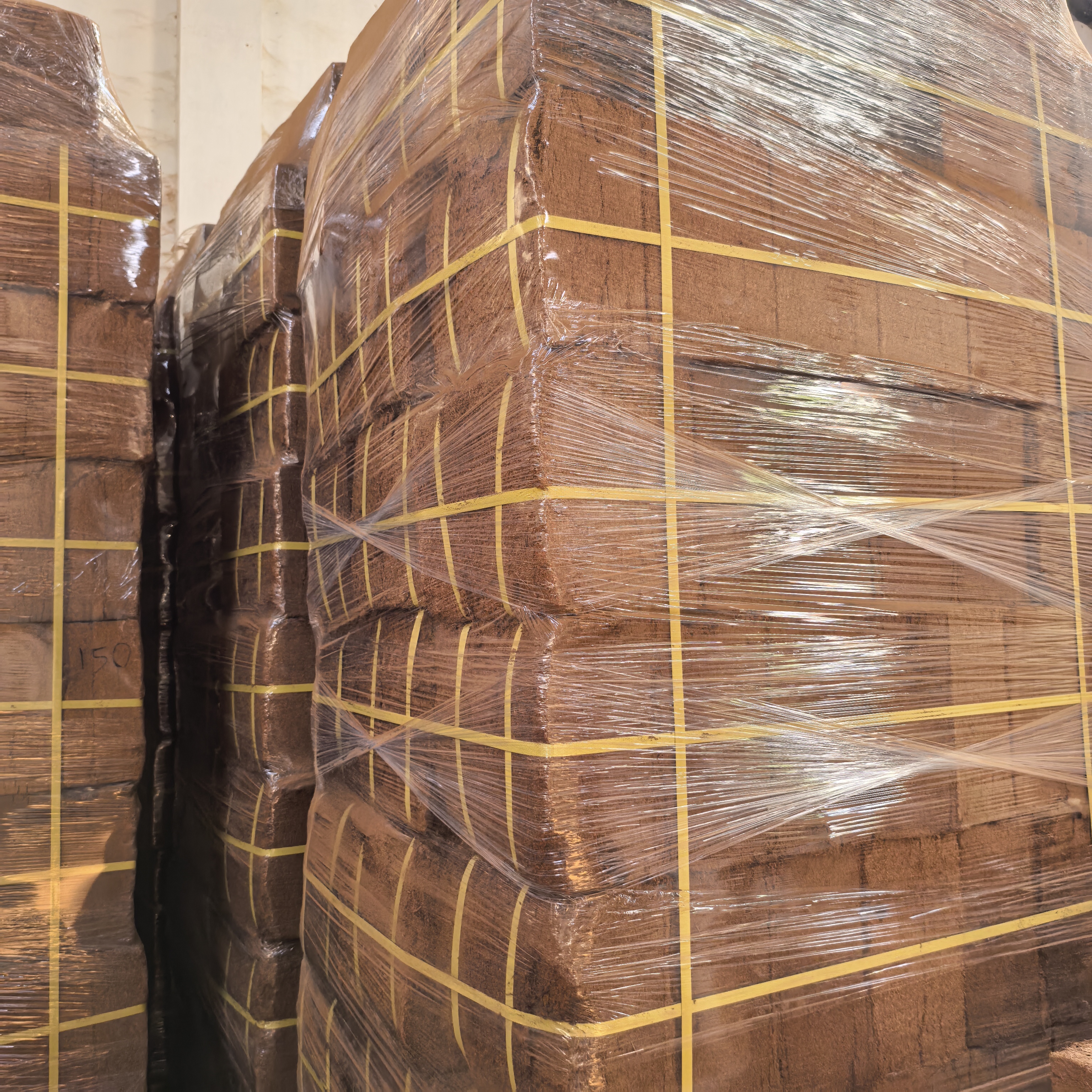
At Binaya Indie Global, we supply both Low EC and High EC Cocopeat Blocks for international markets. Our Low EC Cocopeat Block is available in a standard 5 kg block, with a target specification of EC below 0.5 mS/cm, pH 5.0–6.0, moisture below 15%, and approximately 70 liters of expansion per block.
The Right Growing Medium Depends on the Right Application
The question is not simply whether cocopeat or peat moss is better. The more important question is: which growing medium is right for the crop, growing system, and production goals?
For growers considering cocopeat, understanding EC, pH, moisture, particle structure, expansion, and processing quality is the first step toward choosing the right product.
As horticulture continues to evolve, cocopeat offers an opportunity to turn a natural coconut by-product into a practical growing medium for modern cultivation.
Notes
- University of Florida IFAS Extension, “Common Media Used in Hydroponics,” UF/IFAS Extension.
- Oklahoma State University Extension, “Soilless Growing Mediums,” Oklahoma State University Extension.
- Washington State University Extension, “Greenhouse Construction and Management,” Washington State University Extension.
- International Union for Conservation of Nature (IUCN), resources on peatlands and their ecological and carbon-storage functions.
Bibliography
International Union for Conservation of Nature. Peatlands and Climate Change. IUCN.
Oklahoma State University Extension. “Soilless Growing Mediums.” Oklahoma State University Extension.
University of Florida IFAS Extension. “Common Media Used in Hydroponics.” UF/IFAS Extension.
Washington State University Extension. “Greenhouse Construction and Management.” Washington State University Extension.