Coconuts are familiar to people around the world. They are used to produce food, beverages, cooking oil, personal care products, and many other everyday goods. But what happens to the fibrous husk surrounding the coconut?
For many people, the husk is simply an agricultural by-product. Yet, its fibers can become useful industrial materials, from brushes and brooms to mattress padding and upholstery components. The interesting part is that different coconut fibers can serve very different purposes depending on their length, stiffness, and processing.
One of these materials is Cocobristle. Although the name may be unfamiliar to many buyers, coconut fibers have a long history of use in manufacturing. Understanding cocobristle also opens the door to a wider story about how coconut husks can create value beyond the fruit itself.
What Is Cocobristle?
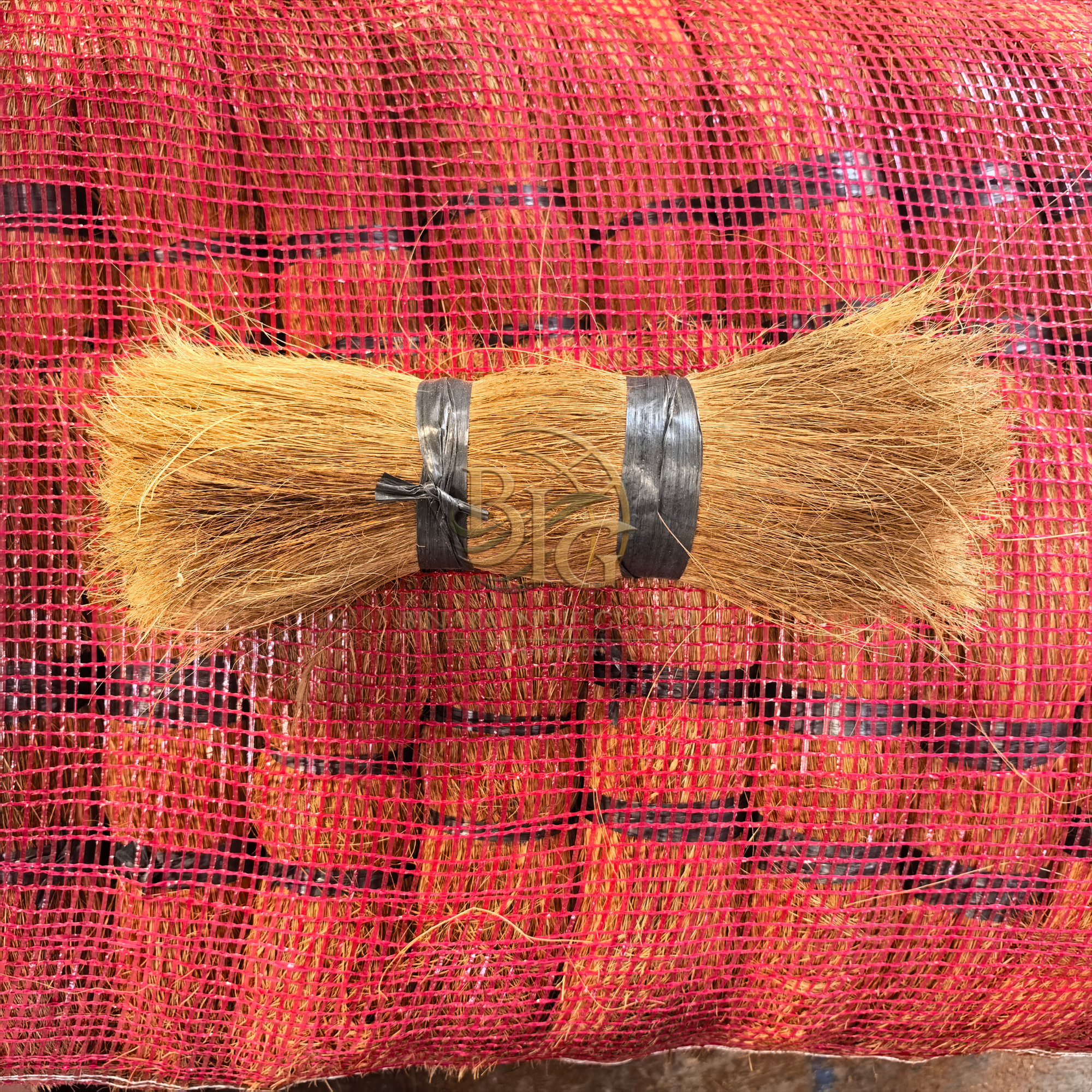
Cocobristle is a relatively stiff type of coconut coir fiber obtained from the husk of mature coconuts. The husk is processed to separate its fibers from the surrounding pith and other material. The fibers can then be cleaned, sorted, and graded according to their intended use.
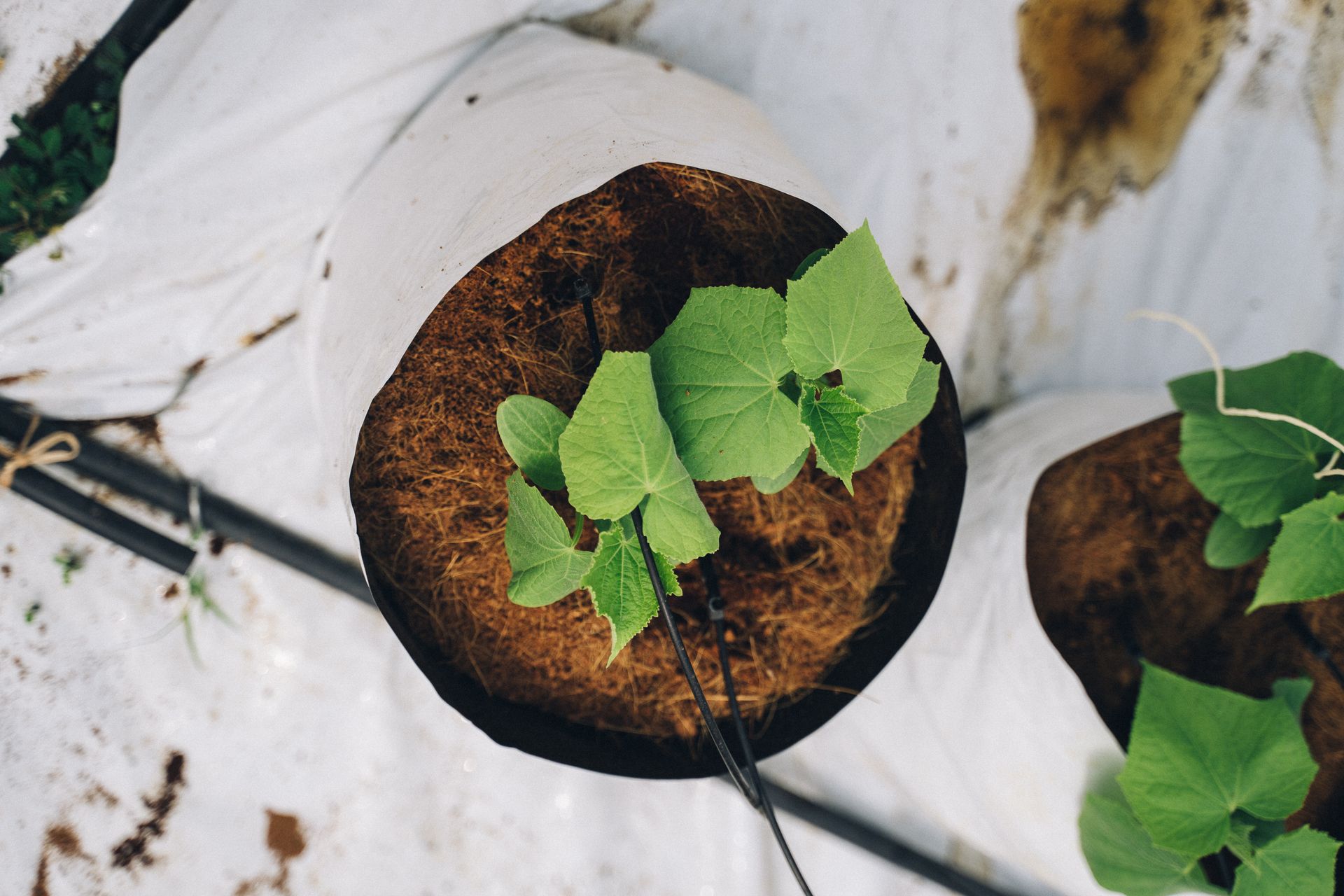
Unlike cocopeat, which is primarily used as a growing medium, cocobristle is valued for its fibrous structure and stiffness. These properties make suitable grades useful in applications such as brush and broom manufacturing.
However, coconut fiber is not a single, uniform material. Its characteristics vary with the maturity of the coconut, processing methods, and the grade of fiber produced. For industrial buyers, understanding these differences is essential when choosing the right material for a particular application.¹
From Coconut Husk to a Useful Industrial Material
The journey begins with the coconut husk, the fibrous outer layer that surrounds the hard shell. Through mechanical or other suitable processing methods, the fibers are separated from the husk material.
The extracted fibers may then undergo cleaning, drying, combing, and sorting. These steps help prepare the material for its intended market and allow suppliers to assess characteristics such as fiber length, stiffness, moisture content, and cleanliness.
Not every batch will have identical properties. That is why grading and quality control matter, especially when fibers are purchased in bulk for manufacturing.
The result is more than a raw agricultural by-product. Properly processed coconut fiber becomes a material that can serve specific industrial needs.
Beyond Brushes and Brooms: Where Can Coconut Fibers Be Used?
When people hear the term cocobristle, brushes and brooms may be the first products that come to mind. These are established applications because relatively stiff coconut fibers can provide the structure needed for certain cleaning tools.²
But the wider coconut coir industry extends beyond cleaning products.
1. Brushes and brooms
Coconut bristle fiber is used in the manufacture of various brushes and brooms. Its relatively stiff structure makes it suitable for selected applications where firm bristles are required.
The final performance depends on the fiber grade, brush design, and intended cleaning task. Manufacturers should therefore assess the material against their own production requirements.
2. Mattresses and cushioning
Coconut coir is also used in mattress production. However, mattress manufacturers generally select a different grade of fiber from the long, stiff material preferred for bristles.
Softer mattress fibers can be processed into cushioning layers and, in some products, bonded with natural latex to create resilient coir pads. The Coconut Development Authority of Sri Lanka identifies rubberized mattresses, pads, and upholstery among the applications for mattress fiber.³
This distinction is important: the use of coconut fiber in mattresses is well established, but it does not mean that every grade of cocobristle is suitable for mattress filling.
3. Upholstery and furniture
Coconut coir can also be used in selected upholstery and cushioning applications. Depending on the product design, coir may form part of a padding layer or a fiber-based cushioning component.
For furniture manufacturers, the material must meet the required specifications for comfort, resilience, durability, and construction. Coir is one of several materials available for these applications, rather than a universal replacement for foam or other upholstery materials.³
4. Automotive seating and interior components
Coconut fiber has also been used in automotive seating and interior applications. One example is rubberized coir, in which fibers are bonded with latex to form a shaped or layered cushioning material.
This illustrates how coconut-derived materials can move beyond traditional household products into more specialized manufacturing sectors. However, automotive applications require suitable material grades and compliance with the relevant performance and safety requirements.⁴
Taken together, these applications show the broader potential of coconut coir. The important point is not that one type of fiber can do everything, but that different grades of coconut fiber can serve different industries.
One Coconut, Different Fibers: Why the Grade Matters
If coconut fibers can be used for so many products, why not use the same material for all of them?
The answer lies in their physical characteristics.
Bristle fiber is generally selected for its length and stiffness, making it suitable for applications such as brushes and brooms. Mattress fiber, by contrast, is selected for the characteristics needed in cushioning and filling. Other coir grades may be used for mats, ropes, and different fiber-based products.
Choosing the wrong grade can create problems during manufacturing. Fibers that are too short, too soft, too stiff, or too inconsistent may not perform as expected in the finished product.
For this reason, buyers should identify the intended application before selecting a coconut fiber product. The material's commercial name is only the starting point; its actual specifications determine whether it is suitable.
What Should Industrial Buyers Look for?
For manufacturers, importers, and distributors, selecting cocobristle requires more than checking its appearance.
Important factors include:
- Fiber length: Whether the fibers meet the dimensions required by the manufacturing process.
- Stiffness and flexibility: Whether the material provides the desired performance for the intended application.
- Moisture content: Whether the product meets the buyer's requirements for storage, handling, and processing.
- Cleanliness: Whether the fibers contain excessive dust, husk particles, or other unwanted material.
- Batch consistency: Whether successive shipments provide sufficiently consistent characteristics.
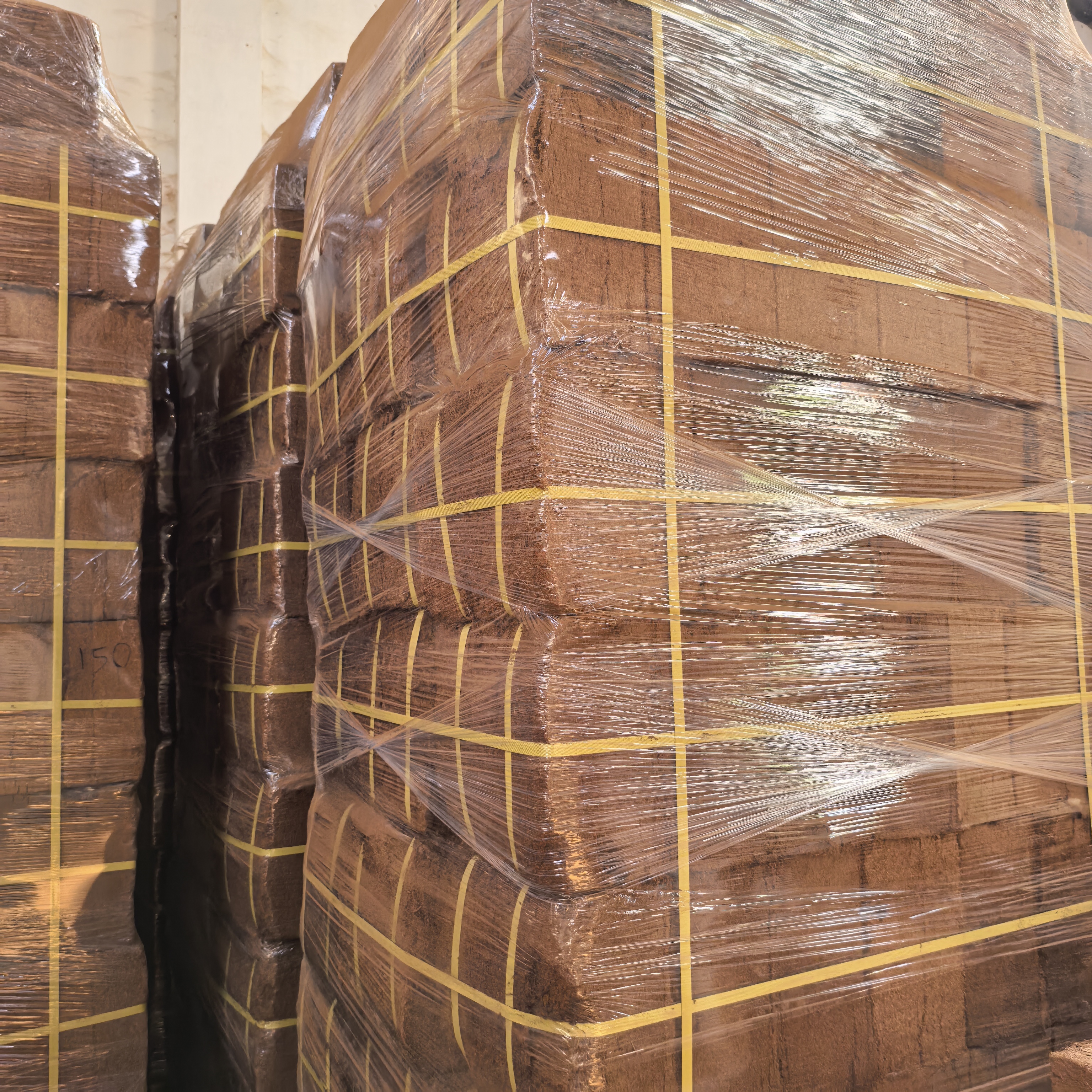
- Packaging and logistics: Whether the material is packed appropriately for storage and international transportation.
Buyers should also request a product specification sheet and, where appropriate, samples for evaluation. For applications such as mattresses, upholstery, or automotive components, they should confirm that the offered fiber grade is designed for that specific purpose.
Indonesia's Coconut Industry: From Agricultural Resources to Global Markets
Indonesia's coconut industry provides raw materials for a wide range of coconut-derived products. By processing different parts of the coconut, producers can supply materials for agriculture, household products, manufacturing, and other industries.
The opportunity extends beyond having access to raw materials. Processing, grading, quality control, and export preparation all contribute to making coconut-derived products more suitable for international buyers.
For importers, working with suppliers who understand product specifications and export requirements can make the sourcing process more straightforward. Clear communication about the intended application and required grade is particularly important when purchasing natural fibers in commercial quantities.
Discover Coconut-Derived Products from Binaya Indie Global
Based in Central Java, Indonesia, Binaya Indie Global supplies coconut-based products for international markets, including cocobristle and other coconut-derived materials.
For businesses interested in sourcing cocobristle, discussing the required fiber length, stiffness, moisture content, cleanliness, and packaging is a practical first step. These details help determine whether the available product matches the buyer's intended application.
From brushes and brooms to specialized coir materials for cushioning and upholstery, the coconut industry demonstrates how one agricultural resource can support different manufacturing needs.
Everyone may know the coconut, but fewer people know the range of materials that can be produced from its husk. Cocobristle is one part of that story—and a reminder that the value of a coconut can extend far beyond the fruit itself.
Notes
- United Nations Industrial Development Organization (UNIDO) and Asian and Pacific Coconut Community, Coconut Fibre and Coir Products: Coconut Processing Technology Information Documents, Part 6, technology sheet on the manufacture of brushes with coir bristles.
- UNIDO and Asian and Pacific Coconut Community, Coconut Fibre and Coir Products, technology sheet on the manufacture of brushes with coir bristles.
- Coconut Development Authority, Sri Lanka, “Mattress Fiber,” accessed October 26, 2026, https://www.cda.gov.lk/web/index.php?lang=en&option=com_directory&product_id=36&view=product.
- Desmond P. Cody, Manual on Upholstery Technology (Vienna: United Nations Industrial Development Organization, n.d.).
Bibliography
Coconut Development Authority, Sri Lanka. “Mattress Fiber.” Accessed October 26, 2026. https://www.cda.gov.lk/web/index.php?lang=en&option=com_directory&product_id=36&view=product.
Cody, Desmond P. Manual on Upholstery Technology. Vienna: United Nations Industrial Development Organization, n.d.
United Nations Industrial Development Organization and Asian and Pacific Coconut Community. Coconut Fibre and Coir Products: Coconut Processing Technology Information Documents, Part 6. Technology sheet on the manufacture of brushes with coir bristles.