If you export from Indonesia to Europe, or import from it, the next few months matter more than usual. A long-awaited trade deal is close to the finish line. At the same time, two EU rules are about to change how goods are documented at the border. Here is what is happening and what to do about it.
The numbers behind the story
In 2025, goods trade between the EU and Indonesia came to almost €29 billion, made up of €18.7 billion in imports from Indonesia and €10.2 billion in EU exports. The EU buys far more from Indonesia than it sells here, and agricultural products are among the top goods it imports. So any change in the rules affects a lot of Indonesian businesses. europa
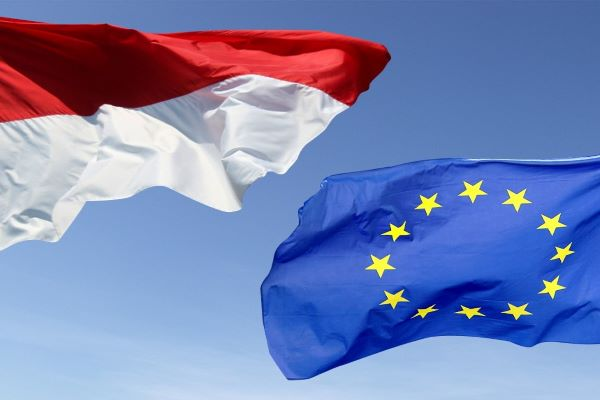
The good news: the EU-Indonesia CEPA
Negotiations on the Comprehensive Economic Partnership Agreement (CEPA) have concluded, and signing is expected by the end of 2026, with entry into force in the first quarter of 2027. In June 2026 the European Commission sent its proposals to the Council, and after signature the deal still needs the European Parliament’s consent before it can enter into force. bia-bgbusiness-indonesia
The headline benefit is tariffs. The EU says import duties will be removed on 98.5% of tariff lines. Indonesia’s government projects that exports to the EU could grow by as much as 50 percent within three years of full implementation. That is a government projection, not a guarantee, but the direction is clearly positive. business-indonesiaindonesiabusinesspost
There is a timing detail worth watching. Indonesia’s current EU tariff preferences (GSP) expire at the end of 2026, and Jakarta hopes the CEPA takes effect early in 2027 to keep any gap as small as possible. If signing or ratification slips, exporters may face a short period with higher duties. It is smart to build that possibility into your 2027 pricing talks. mlex
The catch: two EU rules that change the paperwork
1. EUDR (the EU Deforestation Regulation). It applies from 30 December 2026 for medium-sized and large companies, and from 30 June 2027 for micro and small ones. It covers seven commodities, which are cattle, cocoa, coffee, oil palm, rubber, soya, and wood, plus products made from them. Companies must show that the land was not deforested after 31 December 2020, and each batch needs the geographic coordinates of the plots where it was produced. A third delay now looks unlikely: the Commission ruled out further changes to the regulation in its May 2026 report. Knowledge Base +3
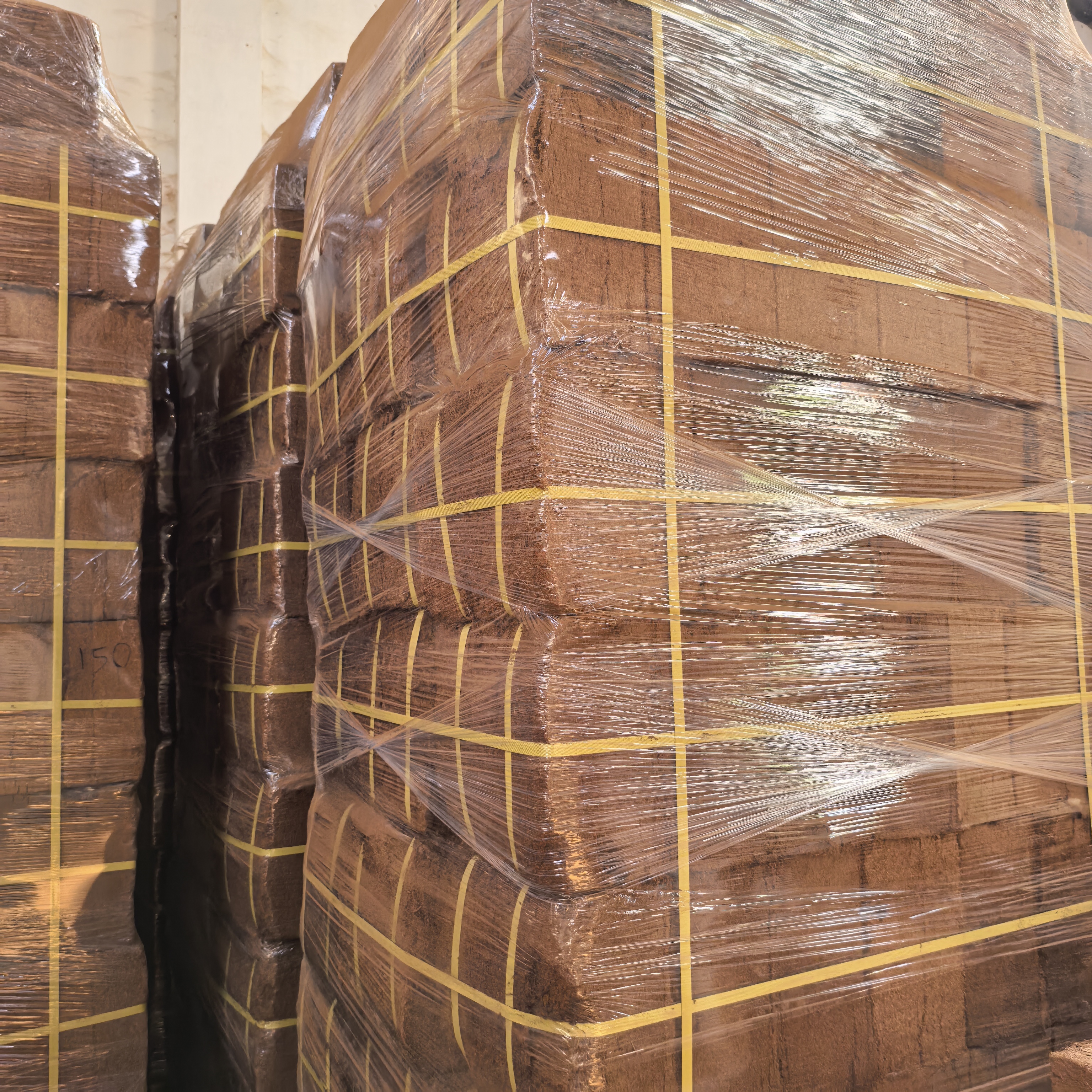
If you trade in coconut-based products such as husk, coir, or cocopeat, note that coconut is not on that list of seven. Still, the Commission adjusted the list of covered products by delegated regulation in September 2026, so confirm the HS code of your product with your forwarder or customs broker. And expect European buyers to ask more questions about origin and traceability in general, even for products outside the rule. projetcelsius
2. CBAM (the EU carbon border tax). The definitive regime started on 1 January 2026. Covered goods can only be imported through an authorised CBAM declarant, and certificate purchase and surrender begin on 1 February 2027, so the 2026 liability is calculated first and paid later. For Indonesia, the exposure is mainly in steel and aluminium, and exporters who cannot show verified emissions data face default values with a mark-up of 10% in 2026, rising to 20% in 2027 and 30% from 2028. If you are not in these sectors, CBAM may not affect you directly, but your customers in related industries may ask you for data. CBAM in focus: Preparing for the definitive regime +2
What to do now
- Check your HS codes against EUDR and CBAM coverage, and ask your forwarder to confirm.
- Start collecting origin data. Know where your raw materials come from and keep records by batch, even if you are not yet required to.
- Talk to your European buyers about who handles which documents, so there are no surprises at the border.
- Plan your pricing for 2027 with two scenarios: CEPA in force on time, and a short gap without it.
- Follow the signing news. Officials have said senior EU visits could happen around late October or early November, so announcements may come soon.
The bottom line
Europe is getting easier to sell to on price and harder on paperwork. Businesses that prepare their documents early will be able to use the new tariff advantages sooner than those who scramble later. For Indonesian exporters, that preparation is the real competitive edge.
Sources: EU-Indonesia trade facts and figures (Council of the EU) · EU Moves CEPA Deal Closer to Signing (Business Indonesia) · Bulgarian Ministry of Economy on CEPA · MLex on CEPA ratification · Indonesia Business Post · Gerlach Customs on EUDR · Model Diplomat on EUDR · Projet Celsius on EUDR · PwC on CBAM · GreenSutra on CBAM · CBAM Guide: Indonesia