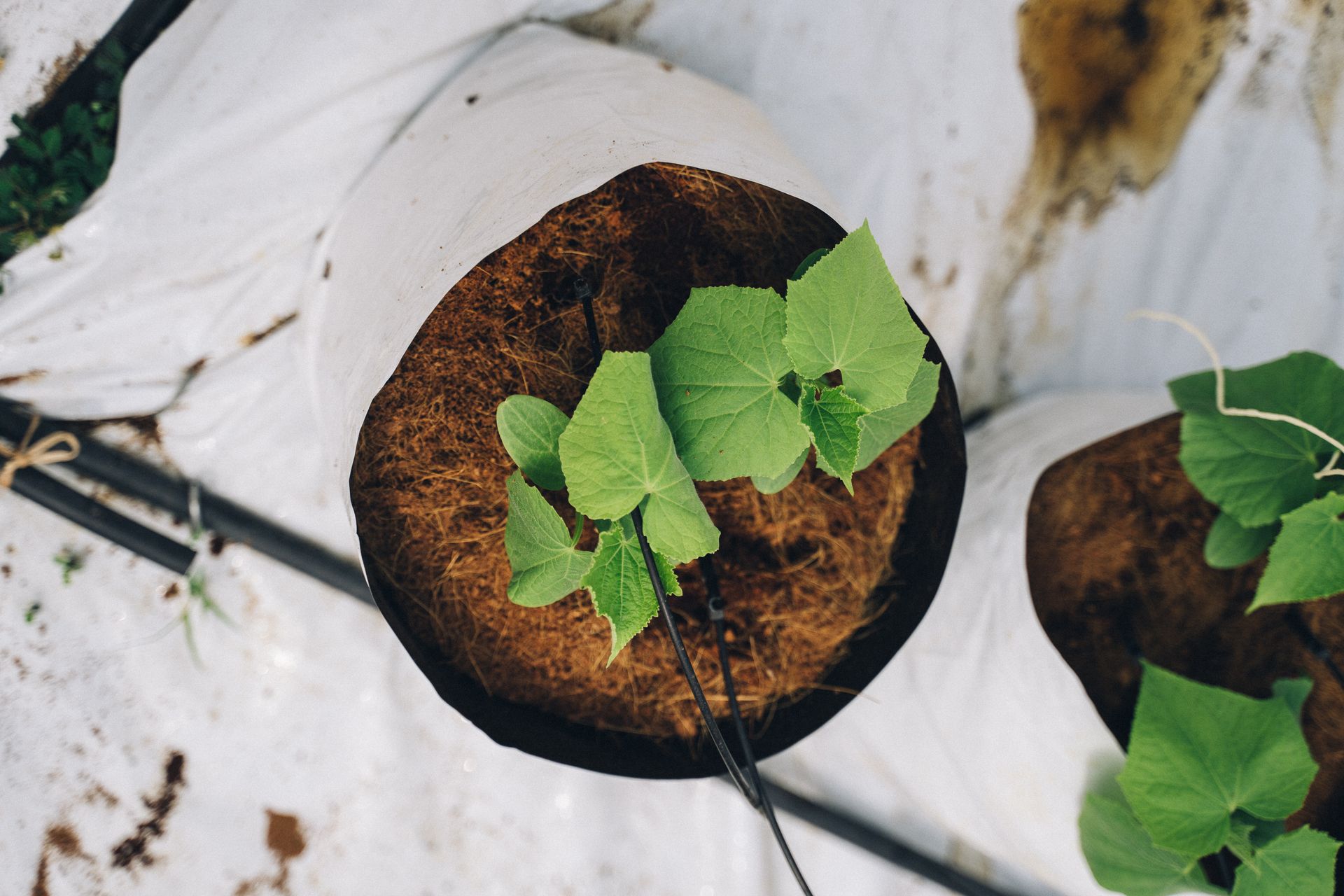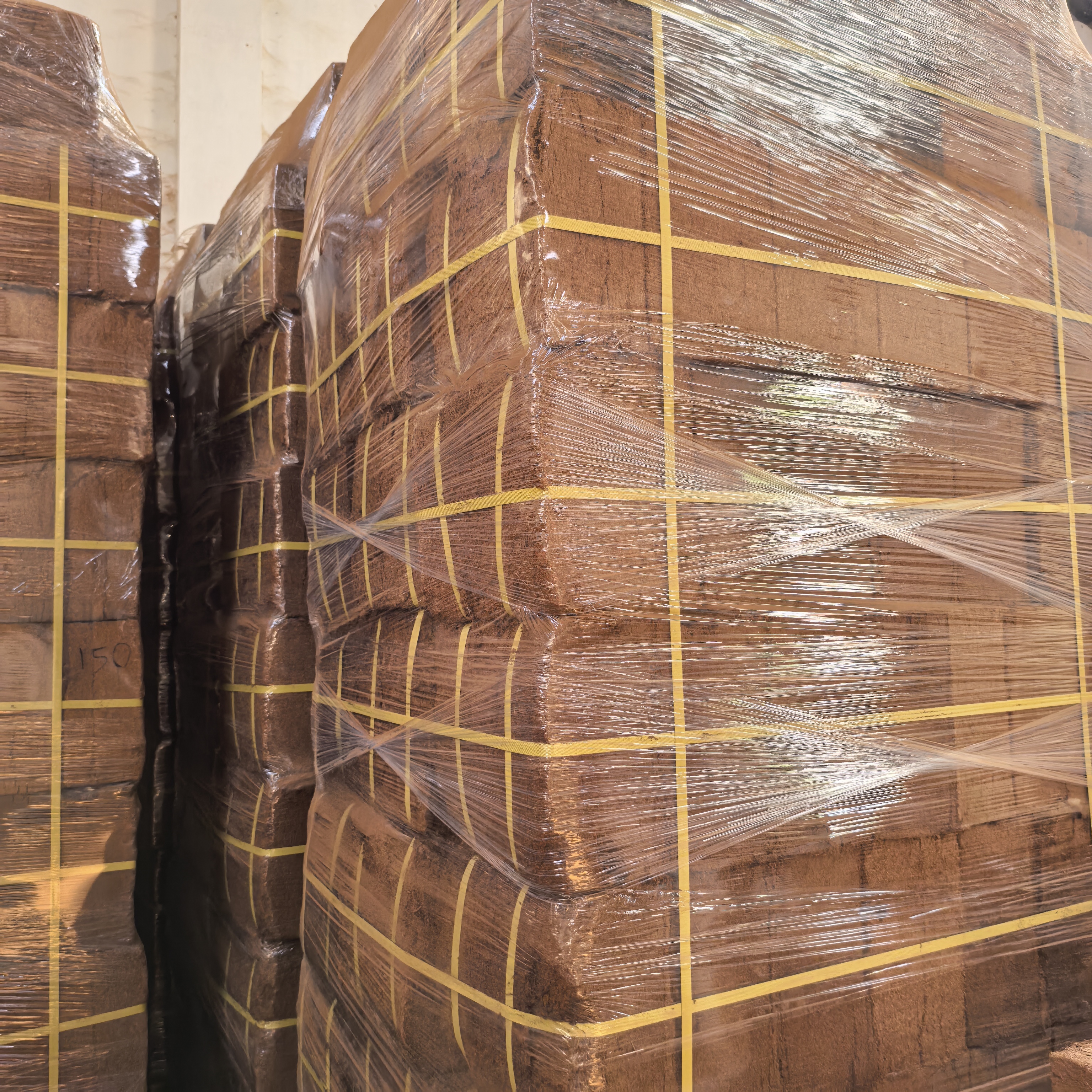
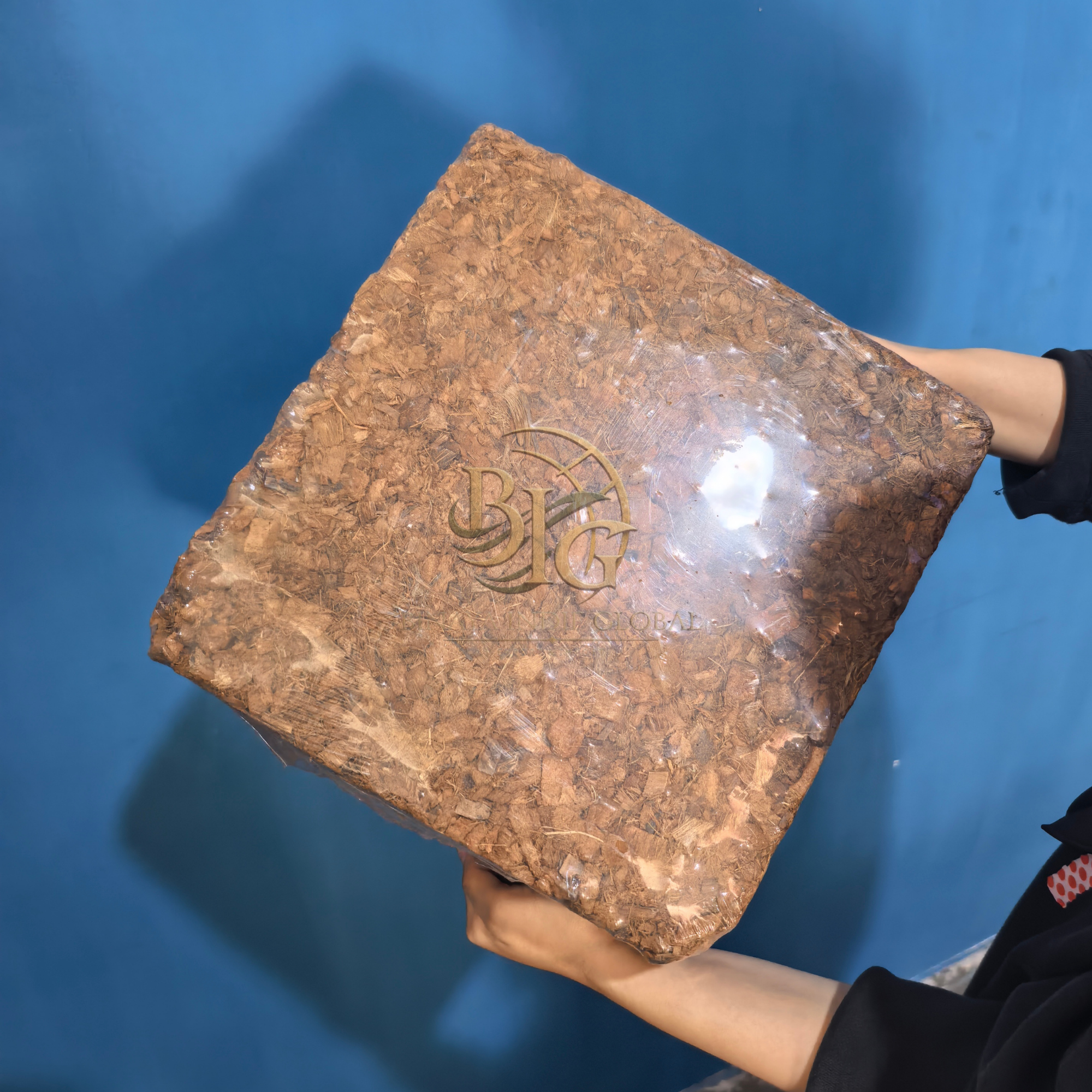
A material made from coconut husks might seem like an unusual choice for growing plants or creating a natural reptile habitat. Yet, coconut husk chips have become a popular material in horticulture and are also used in certain terrarium and reptile-keeping applications.
Known as coco chips or coir chips, these small pieces of coconut husk offer a combination of moisture retention, drainage, and physical structure. They can be used in orchid growing media, ornamental plant mixes, and selected reptile substrates.
But does that mean coconut husk chips are suitable for every plant and reptile?The answer is no. Although they offer several useful properties, their suitability depends on the plant species, root requirements, reptile habitat, and how the material is prepared.
What Are Coconut Husk Chips?
Coconut husk chips are small pieces of coconut husk produced by cutting or processing the fibrous outer layer of coconuts. Unlike cocopeat, which consists mainly of fine coconut pith, coco chips have a coarser and more solid structure. This gives them a different role in growing media. Cocopeat is commonly used to help retain moisture, while coconut husk chips provide structure and create larger air spaces within a growing medium.
Depending on their size and preparation, coconut husk chips can be used individually or mixed with other materials to adjust the physical properties of a substrate. Their natural structure makes them particularly interesting for applications that require a balance between moisture retention and aeration.
Why Do Orchid Growers Use Coconut Husk Chips?
Orchids are among the plants commonly associated with coconut husk chips.
Many orchid species, particularly epiphytic orchids, naturally grow attached to trees rather than rooted in ordinary soil. Their roots are adapted to conditions where air circulation and water movement are important.
This is one reason why coarse growing materials such as coconut husk chips can be useful.
1. Better root aeration
The larger spaces between chips allow air to circulate around the roots. This can help create a growing environment that is less compact than ordinary soil.
2. Moisture retention
Although coco chips are relatively coarse, their structure can absorb and hold water. This helps maintain moisture around the roots between watering sessions.
3. Improved drainage
Excess water can move through the spaces between the chips, helping reduce prolonged waterlogging when the pot and growing mix are properly designed.
4. Root support
The solid pieces provide physical support for the plant and help anchor its roots inside the container.
The American Orchid Society discusses coconut husk chips as a potting medium for orchids and notes that coconut products are commonly soaked in several changes of clean water before use. However, orchid growers should still consider the species, pot size, chip size, and watering frequency when selecting a growing medium.
Beyond Orchids: What Other Plants Can Benefit?
Coconut husk chips are not limited to orchid cultivation. They can also be incorporated into growing mixes for other plants that benefit from a more open and well-drained substrate.
Some examples include:
Anthuriums
Many anthuriums benefit from an airy growing medium that allows their roots to receive sufficient oxygen. Coconut husk chips can be included in a suitable substrate blend.
Philodendrons
Certain philodendron varieties are grown in chunky mixes containing materials such as coconut chips, bark, and other components to improve root-zone aeration.
Other tropical ornamental plants
Some tropical plants benefit from growing media that retain moisture without becoming excessively compact. Coco chips can be used as one component of these mixtures.
Nursery and container plants
Depending on the crop, coconut husk chips can be combined with cocopeat and other growing materials to adjust drainage, moisture retention, and physical structure.
It is important to remember that coconut husk chips are not automatically a complete growing medium. Different plants have different root requirements, and the proportions of each component should be adjusted accordingly.
Can Coconut Husk Chips Be Used for Reptiles?
Interestingly, coconut husk chips are also used in certain reptile habitats.
In reptile keeping, the material placed on the floor of an enclosure is called a substrate. It plays a role in maintaining the enclosure environment and can provide a more natural-looking habitat. Depending on the reptile species and the substrate preparation, coconut-based materials may be considered for certain tropical or moisture-associated environments.
Some potential uses include:
1. Humidity management
Coconut-based substrates can absorb and retain moisture. This may help support humidity in selected tropical enclosures when combined with proper ventilation and monitoring.
2. Naturalistic terrarium appearance
Their natural brown color and irregular texture can create an environment that resembles natural forest-floor materials.
3. Substrate structure
The physical pieces can contribute to the structure of a naturalistic enclosure, depending on the reptile's behavior and habitat requirements.
However, coconut husk chips are not suitable for every reptile.
The choice of substrate must consider the animal's natural habitat, humidity requirements, behavior, feeding habits, and the possibility of accidentally swallowing substrate particles. For example, some reptiles may ingest loose substrate while catching food. In certain circumstances, this can cause digestive complications.
The Merck Veterinary Manual emphasizes that substrate selection must consider the reptile species, hygiene, humidity, and the risk of accidental ingestion. For this reason, reptile owners should consult species-specific husbandry guidance or an experienced reptile veterinarian before choosing coconut husk chips.
When Are Coconut Husk Chips Not the Right Choice?
Despite their versatility, coconut husk chips have limitations.
For plants that prefer consistently fine media
Some plants require a finer growing medium with greater water retention. Coarse coconut chips alone may not provide the moisture conditions they need.
For plants that require frequent moisture
Although coco chips retain water, their coarse structure may dry differently from fine cocopeat. Irrigation frequency may need adjustment.
For reptiles with unsuitable habitat requirements
Species that require dry environments may not benefit from a moisture-retaining substrate. Excessive moisture combined with inadequate ventilation can contribute to unhealthy enclosure conditions.
For reptiles that may ingest loose substrate
Small particles can be accidentally consumed during feeding. The risk depends on the animal, feeding method, and substrate characteristics.
Ultimately, the suitability of coconut husk chips depends on how well the material matches the biological and environmental requirements of the organism using it.
How to Choose Quality Coconut Husk Chips
Whether used in horticulture or selected terrarium applications, the physical quality of coconut husk chips matters.
Here are several factors worth considering:
- Chip size: Different plants and applications may require different particle sizes.
- Cleanliness: The material should be free from excessive dust, unwanted debris, and foreign materials.
- Moisture content: Moisture should be appropriate for the intended storage and application.
- Washing process: Buyers should understand whether the chips are washed or unwashed and whether additional rinsing is necessary.
- Consistency: Similar particle sizes across batches help provide more predictable performance.
- Packaging: Suitable packaging helps protect the material during storage and transportation.
For horticultural applications, buyers may also want to check electrical conductivity (EC), pH, and other relevant specifications, depending on the intended growing system.
For reptile applications, product cleanliness and suitability for the particular species are especially important. A growing-media product should not automatically be assumed to be a ready-to-use reptile substrate.
Indonesia: A Source of Coconut-Based Growing Materials
Indonesia is one of the world's major coconut-producing countries, providing raw materials for various coconut-derived products. Beyond coconut food products and oil, the coconut husk can be processed into cocopeat, cocofiber, cocobristle, cocohusk chips, and other materials.
This creates opportunities for the development and export of coconut-based growing media for international markets. For buyers looking for coconut husk chips, product specifications, processing methods, particle size, and packaging should be considered according to the intended application.
Discover Coconut Husk Chips from Binaya Indie Global
Based in Central Java, Indonesia, Binaya Indie Global supplies coconut-derived products for international markets, including cocohusk chips and other coconut-based materials. Cocohusk chips are an interesting material for growers, nurseries, agricultural businesses, and other buyers seeking natural coconut-based substrates.
Whether the intended application is orchid cultivation, ornamental plant growing, or a suitable terrarium setup, choosing the right material starts with understanding its characteristics and matching them with the requirements of the application.
Conclusion
Coconut husk chips are more versatile than many people realize. They can help provide structure, aeration, and moisture retention in growing media, making them useful for selected orchids and ornamental plants. They can also be considered for certain reptile habitats, provided the substrate is appropriate for the species and its environmental requirements.
However, no single substrate is suitable for every plant or reptile. Understanding the needs of each species is the key to using coconut husk chips effectively. What begins as a coconut husk can become a valuable material for horticulture and other applications. It is another example of how Indonesia's coconut resources can serve markets beyond traditional coconut products.
Notes
- TerraLink Horticulture, “Using Coco Media in Horticulture,” TerraLink Grower Information, accessed November 4, 2026.
- Ned Nash, “Coconut Husk,” American Orchid Society, https://www.aos.org/orchids/orchid-basics/orchid-question-and-answer/coconut-husk.
- Merck Veterinary Manual, “Providing a Home for a Reptile,” accessed November 4, 2026, https://www.merckvetmanual.com/all-other-pets/reptiles/providing-a-home-for-a-reptile.
Bibliography
American Orchid Society. Nash, Ned. “Coconut Husk.” https://www.aos.org/orchids/orchid-basics/orchid-question-and-answer/coconut-husk.
Merck Veterinary Manual. “Providing a Home for a Reptile.” Accessed November 4, 2026. https://www.merckvetmanual.com/all-other-pets/reptiles/providing-a-home-for-a-reptile.
TerraLink Horticulture. “Using Coco Media in Horticulture.” TerraLink Grower Information.