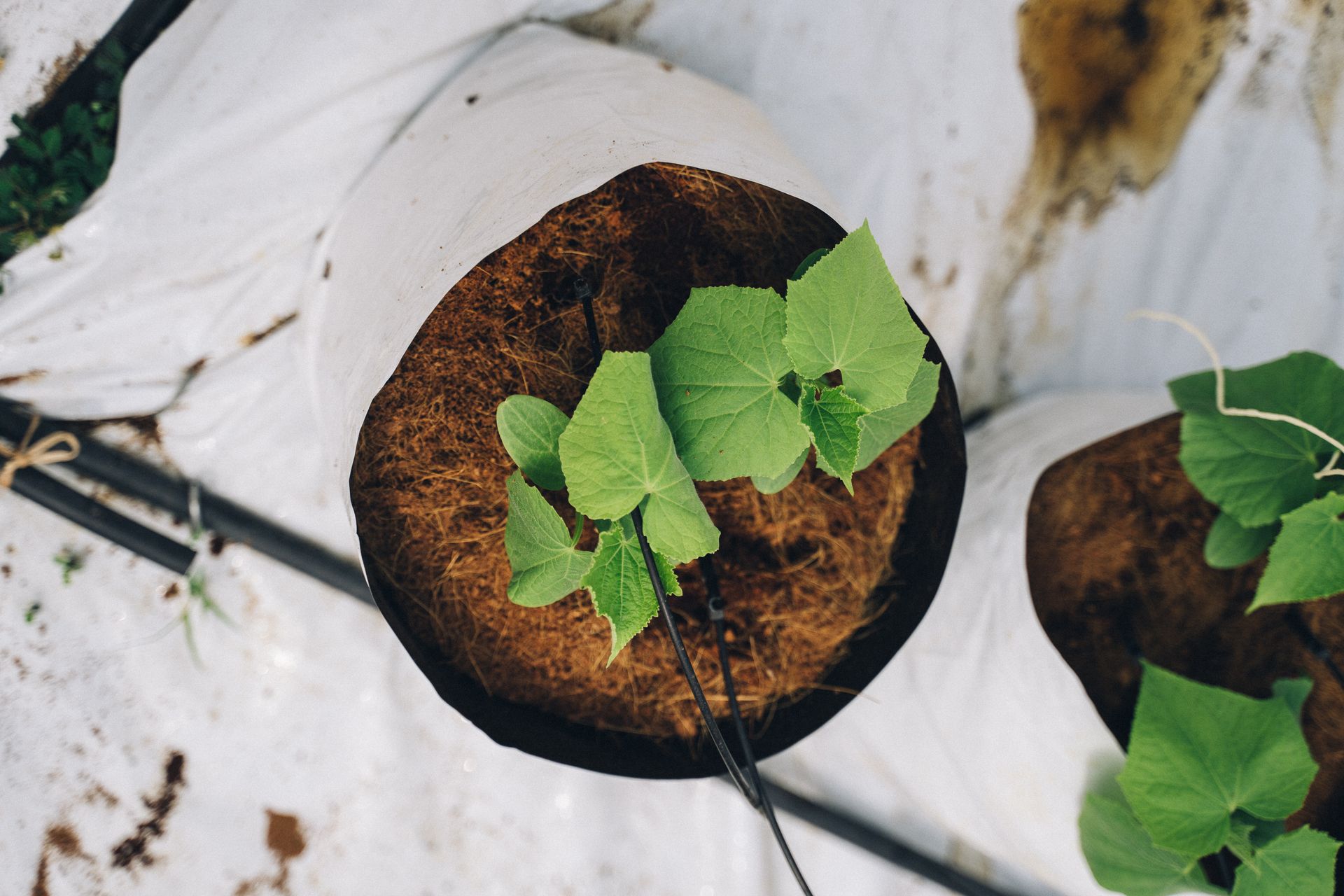
Cocopeat has become a popular growing medium for greenhouse cultivation, nurseries, and horticultural applications because of its ability to retain moisture while providing air space around plant roots. However, not all cocopeat has the same characteristics. One important factor that distinguishes cocopeat products is electrical conductivity (EC), a measurement used to indicate the concentration of dissolved ions in a solution.
Understanding the difference between Low EC and High EC cocopeat helps growers and buyers select a product that suits their crops, irrigation systems, and nutrient-management practices. Rather than choosing based on the product name alone, buyers should understand how EC levels affect growing-medium management.
What Is EC in Cocopeat?
Electrical conductivity (EC) measures how easily a solution conducts electricity. In growing media, EC is commonly used to assess the level of dissolved salts and nutrients. A higher EC generally indicates a higher concentration of dissolved ions, although the result also depends on the testing method used.
Coconut husk naturally contains mineral salts, and the final EC of cocopeat can vary depending on the raw material, washing process, water quality, and other processing conditions. For this reason, checking the EC specification is an important step when purchasing cocopeat for commercial cultivation.
What Is Low EC Cocopeat?
Low EC cocopeat is processed to reduce soluble salt levels, commonly through more extensive washing. It is often preferred when growers need greater control over the root-zone environment, particularly in greenhouse production, nurseries, and other horticultural systems.
Lower soluble salt levels can help reduce the risk of salt-related stress, especially for crops sensitive to salinity. However, the suitability of a particular EC level depends on the crop, irrigation water, fertilizer program, and growing conditions.
For buyers, Low EC cocopeat is particularly relevant when the growing medium must meet specific technical requirements and support carefully managed nutrient delivery.
What Is High EC Cocopeat?
High EC cocopeat has a higher soluble salt level than Low EC cocopeat. This can result from a lower level of washing or differences in the original coconut material and processing conditions.
High EC does not automatically mean that cocopeat is defective or unusable. Its suitability depends on the intended application and whether the salt level is compatible with the crop and growing system. Excessive salinity can interfere with water uptake and plant growth, so buyers should always confirm the actual EC value before selecting a product.
For commercial growers, a clear EC specification is more useful than relying on the labels “Low EC” or “High EC” alone.
Low EC vs. High EC Cocopeat: Key Differences
| Factor | Low EC Cocopeat | High EC Cocopeat |
| Soluble salt level | Lower | Higher |
| Processing | Generally more extensively washed | Generally less extensively washed |
| Main consideration | Greater control over soluble salts | Requires careful evaluation of salt levels |
| Crop suitability | Depends on crop and growing system | Depends on crop and growing system |
| Nutrient management | Must match crop requirements | Must account for the existing salt level |
| Buyer priority | Confirm EC and other specifications | Confirm actual EC and application suitability |
Neither option is universally better for every situation. The right choice depends on the crop's salt sensitivity, irrigation water quality, fertilizer management, and the growing medium's measured properties.
How to Choose the Right Cocopeat
Before purchasing cocopeat, buyers should evaluate several important parameters:
- EC: Indicates the level of dissolved ions and helps assess salinity.
- pH: Influences nutrient availability in the growing medium.
- Moisture content: Affects shipping weight, storage, and handling.
- Particle size: Influences the balance between water retention and aeration.
- Expansion volume: Indicates the approximate volume obtained after hydration.
- Impurities: Helps assess product cleanliness and consistency.
- Processing method: Washing and, where required, buffering can influence the product's final characteristics.
EC results should be compared using the same or equivalent testing methods because different extraction procedures can produce different readings. Buyers should therefore request clear technical specifications and, where necessary, a product test report.
Low EC and High EC Cocopeat Blocks from Indonesia
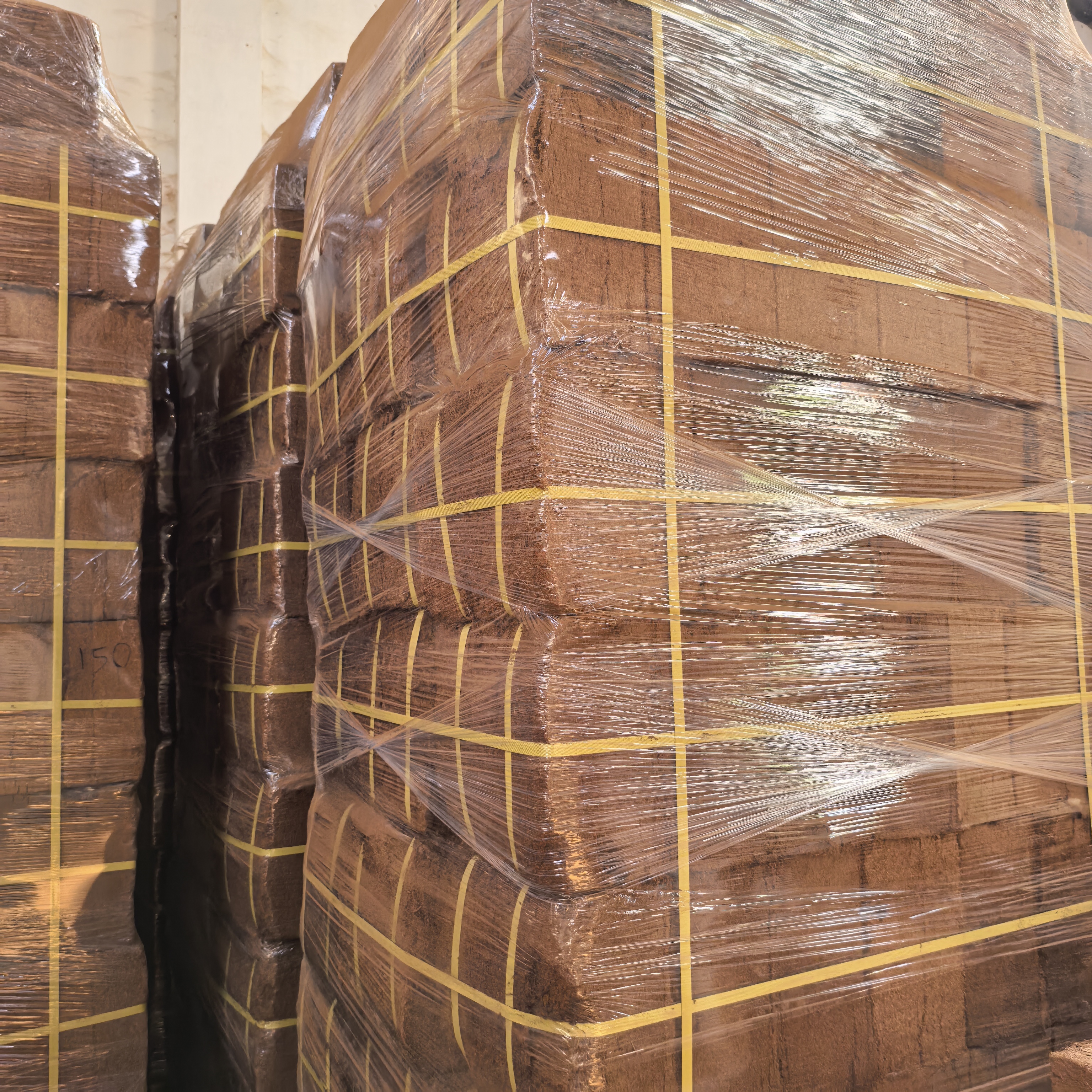
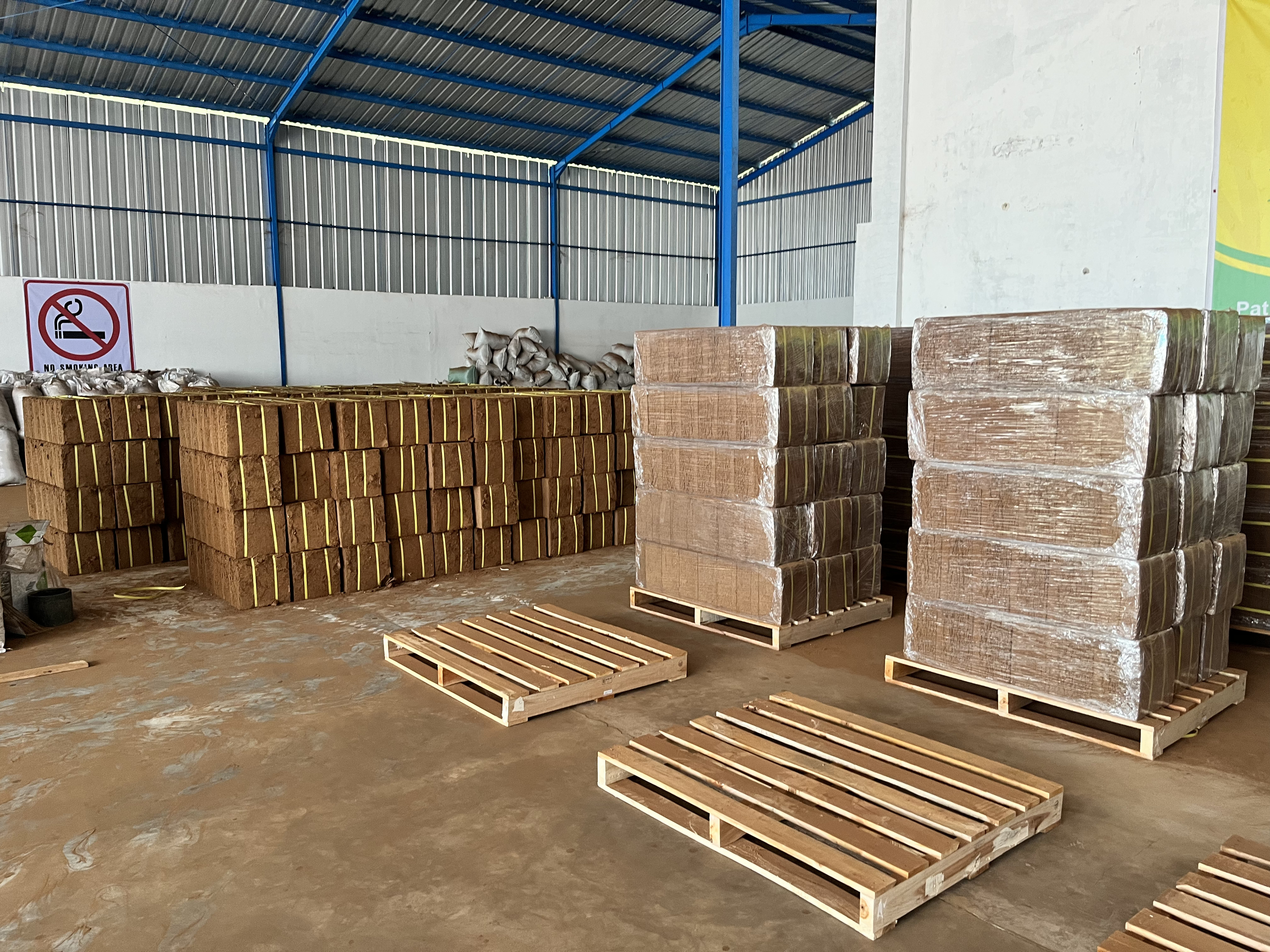
Binaya Indie Global, based in Sukoharjo, Central Java, Indonesia, supplies both Low EC and High EC Cocopeat Blocks for international buyers.
Our Low EC Cocopeat Block is available in a standard 5 kg compressed block, with the following target specifications:
- EC: Below 0.5 mS/cm
- pH: 5.0–6.0
- Moisture: Below 15%
- Expansion volume: At least 70 liters per block
- Processing: Washed
For High EC Cocopeat, buyers can discuss their required EC range and intended application with our team. Confirming the actual specification helps ensure that the selected product matches the buyer's requirements.
Conclusion: Which Cocopeat Should You Choose?
The choice between Low EC and High EC cocopeat should be based on technical specifications rather than the assumption that one type is always superior. Low EC cocopeat offers lower soluble salt levels, while High EC cocopeat requires careful evaluation to determine whether its salt content is appropriate for the intended use.
By comparing EC, pH, moisture, particle structure, expansion volume, and processing quality, growers and importers can make more informed purchasing decisions.
Looking for Low EC or High EC Cocopeat Blocks from Indonesia? Contact Binaya Indie Global for product specifications, samples, packaging details, and export quotations.
Notes
- Purdue University Extension, “HO-237: pH and Electrical Conductivity Measurements in Soilless Substrates,” https://ag.purdue.edu/department/hla/extension/extension-publications-library/ext-pubs/ho-237-w.html.
- Oklahoma State University Extension, “Soilless Growing Mediums,” https://extension.okstate.edu/fact-sheets/soilless-growing-mediums.
- Purdue University Extension, “HO-237: pH and Electrical Conductivity Measurements in Soilless Substrates.”
Bibliography
Oklahoma State University Extension. “Soilless Growing Mediums.” https://extension.okstate.edu/fact-sheets/soilless-growing-mediums.
Purdue University Extension. “HO-237: pH and Electrical Conductivity Measurements in Soilless Substrates.” https://ag.purdue.edu/department/hla/extension/extension-publications-library/ext-pubs/ho-237-w.html.